
Tech & AV News
Latest News
Building on Ashes: Rethinking Failure in Tech and Life
Building on Ashes: Rethinking Failure in Tech and Life
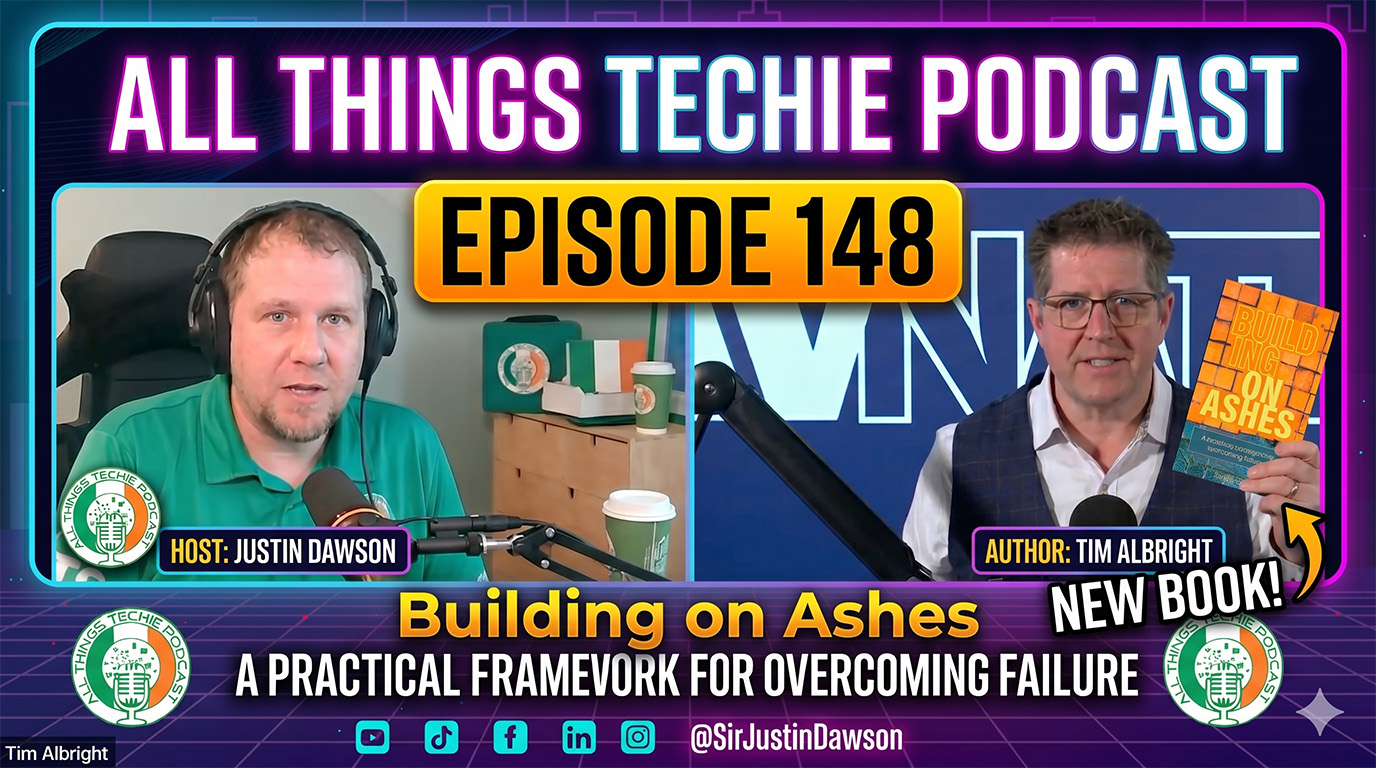
In episode 148 of the All Things TechIE Podcast, Justin Dawson welcomes Tim Albright, a veteran of media and AV, to discuss a topic rarely given honest air in the technology world: failure. Steering far from the classic “shoot for the moon” mantras, the episode digs into Tim Albright’s new book, Building on Ashes: A Practical Framework for Overcoming Failure, and invites listeners to reconsider how we perceive, process, and rebuild after setbacks.
The Myth of the Moonshot
How often in tech do we hear that we must aim for the moon? Yet, as Justin Dawson and Tim Albright discuss, “aim for the moon” may be among the worst advice for those climbing out of a collapsed dream. As Tim Albright points out, very few people actually land on the moon—both literally and figuratively. The pressure to pursue enormous, transformational success can actually sabotage us, activating parts of our brain that rebel against daunting, unrealistic leaps.
Instead, Tim Albright argues for a structured, step-by-step path forward from failure. The takeaway? Most of us don’t need moonshots. We need to find what still works in the ashes, and start rebuilding from there.
Failure Is Universal—and Useful
Throughout the episode, Tim Albright is candid about his own failures—career setbacks, personal mistakes, even the infamous story of rolling his father’s car at age 16. These are not anecdotes simply to entertain; they’re working material. “I wouldn’t be where I am today had I not failed, and then learned from those failures,” Tim Albright reflects.
He emphasizes a critical concept: there is always something left after a collapse. Whether it’s a skill, a relationship, or simply raw determination, Tim Albright encourages us to sift through the wreckage and use whatever remains as the foundation for what’s next.
Separating Skill Gaps from Character Gaps
One of the more practical insights in the episode is the distinction between skill gaps and character gaps. When assessing why a venture collapsed, it’s vital to understand whether the cause was a lack of knowledge or an issue of integrity.
A skill gap—say, weak financial management—can be learned or outsourced. But a character gap, like treating people poorly, requires personal growth. The path forward depends on honest, sometimes brutal, self-reflection, but also the willingness to not dwell endlessly in self-loathing.
The Concept of Post-Traumatic Growth
Rather than simply “bouncing back,” Tim Albright introduces the aim to “bounce forward”—post-traumatic growth. Instead of just reclaiming your previous position after a crisis, the real opportunity is to grow beyond it. This subtle shift reframes failure from an end-point to a pivot: if you’re going to rebuild, why not build something stronger?
You Are Not Alone
A recurring theme is the universality of failure. Despite the personal nature of each collapse, Tim Albright insists: “You are not special” in your failure, and accepting this is liberating. It removes the isolation so common when things go wrong, and grants permission to learn, heal, and try again—not as an outlier, but as part of a human continuum.
Rethinking the Tech Industry’s Attitude to Failure
The tech world, as Justin Dawson acutely notes, is obsessed with novelty, risk, and constant forward motion. But this relentless focus on success and innovation leaves little room for honest grappling with failure.
What if, as Tim Albright suggests, we normalized post-mortems not as shameful footnotes, but sources of wisdom? What if we taught teams to analyze which of their gaps are worth fixing, and to let go of the myth that only meteoric success stories matter?
Conclusion: Start Where You Are
Building on Ashes doesn’t demand one-size-fits-all solutions. Instead, it insists that from any wreckage—personal, professional, technical—we can recover something of value if we are honest about what went wrong and intentional about what comes next.
As you reflect on your own stumbles—whether in the lab, the meeting room, or in life—ask yourself: what ashes are you standing in? What still stands, and what might you build next?
The episode is a call to banish shame, embrace reflection, and view every collapse as compost for eventual, often unexpected, regrowth.